
A wooden wedding bar can look right in a barn, a garden tent, or a ballroom. The difference is usually the finish, the front-panel design, and what you put around it. Before choosing one from a photo, decide where it will stand and how the bar team will use it.
Start with the venue, narrow the look to one clear direction, then check the footprint and construction. That order helps you avoid a bar that photographs well but leaves nowhere to store glassware or bring in ice.
Start with the room, not the decorations
Look at the features that will still be visible when the reception is set: the floor, walls, ceiling, tent lining, and nearby tables. A bar should have something in common with that setting, whether it is a warm wood tone, a painted finish, or a simple repeated line.
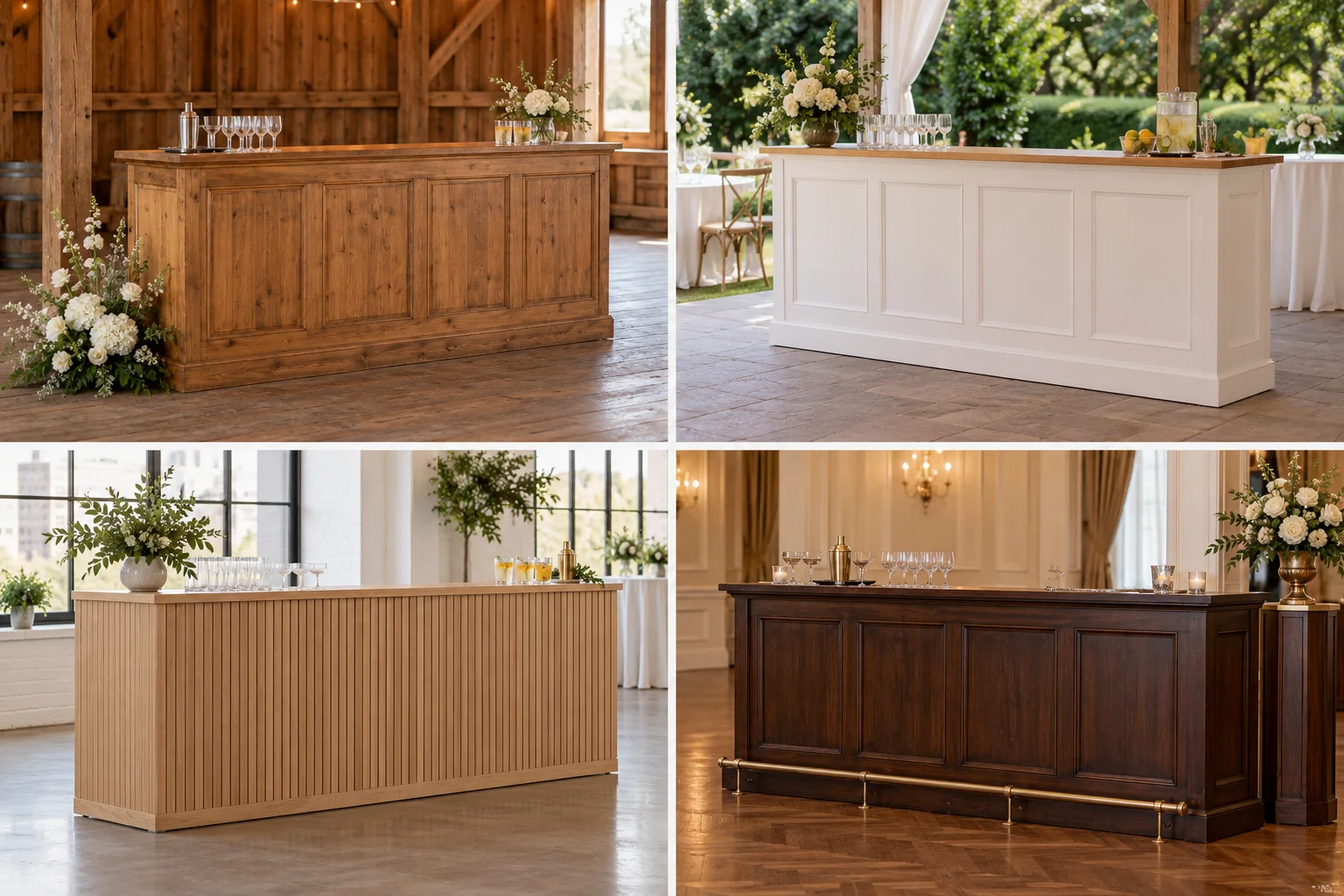
In a timber barn, a natural wood counter may need little more than a readable menu and a small arrangement at one end. In a formal room, painted panels or a darker stain can give the same basic furniture a more tailored appearance. Wood does not have to mean rustic.
Take a wide photo of the proposed bar location before shopping. Include the floor and surrounding furniture. A close-up of a flower arrangement will tell a supplier much less about the finish you actually need.
Choose a style you can carry through the whole setup
Use this as a starting point rather than a rulebook. The most useful question is whether the bar belongs with the rest of the furniture, not whether it matches a trend name.
| Wedding setting | Bar design to consider | Keep an eye on |
|---|---|---|
| Rustic barn or vineyard | Visible grain, warm natural or stained wood, simple framed panels | Too many distressed finishes can make the room feel visually busy. |
| Garden or tented reception | White or cream panels with a wood top; light natural wood also works | Compare the paint with the actual linens. Two different whites can be noticeable side by side. |
| Modern loft or contemporary venue | Flat fronts or vertical slats, restrained trim, a limited color palette | Ask how narrow grooves and joints should be cleaned between events. |
| Formal ballroom or estate | Classic paneling, a darker stain or painted finish, coordinated back-bar shelving | Check the scale against the room. A tall back bar can compete with windows or architectural details. |
Choose one feature to lead: the wood grain, the front-panel pattern, or a painted color. Let the menu, glassware, and flowers support it. A monogram can be enough personalization without covering the entire front.
Compare the finish and the front panel separately
Two bars with the same color can feel quite different. A flat panel looks quiet and contemporary. Framed panels add a traditional furniture detail. Slats create a stronger vertical rhythm. The color and the panel pattern are separate choices, so compare both before approving a design.
For natural wood, ask what material is used in the frame, front, and countertop. A wooden appearance alone does not tell you whether a component is solid wood, veneered board, or painted plywood. Those details matter when you plan handling, touch-ups, and storage.
Approve a physical finish sample if the bar needs to coordinate with existing farm tables or chairs. View it beside the actual furniture in daylight and under the reception lighting. A phone screen is a poor basis for deciding whether two wood tones work together.
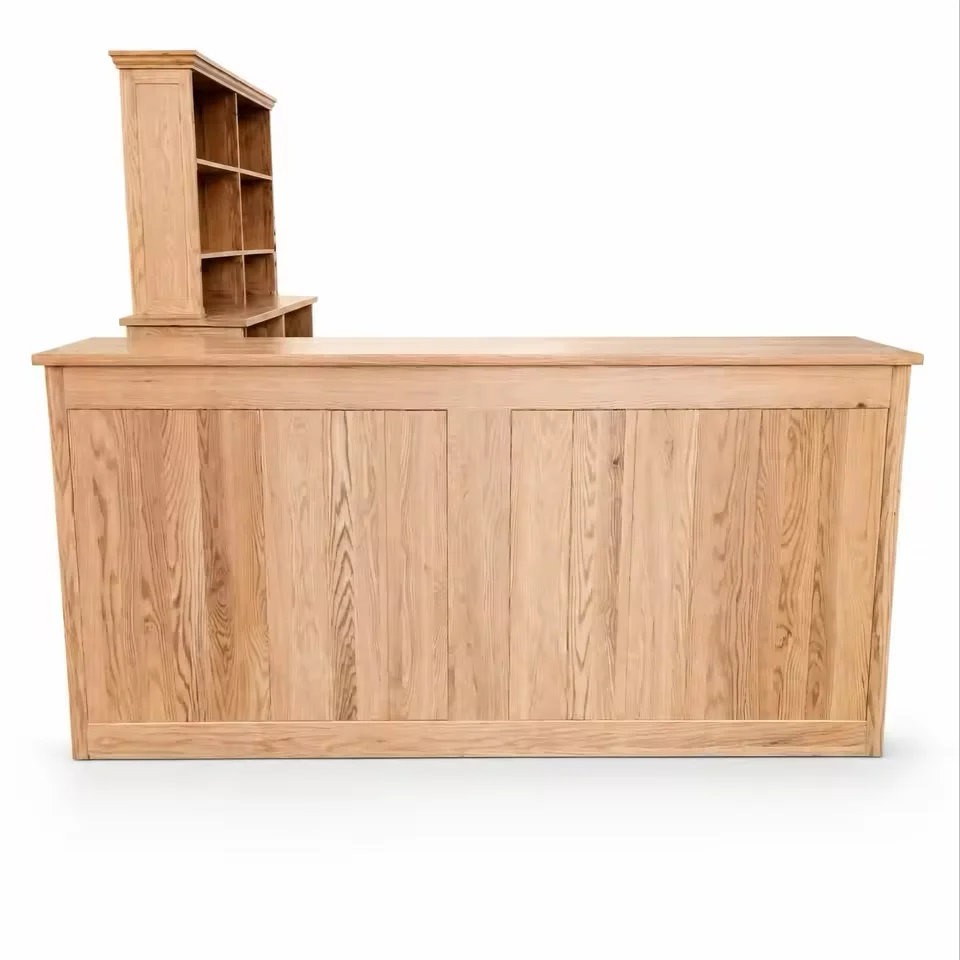
For a concrete size reference, our oak counter and back-cabinet set lists a front counter of 240 × 50 × 107 cm—about 94.5 × 19.7 × 42.1 inches. That is the furniture size, not the full working footprint. The back cabinet, staff space, equipment, and guest approach all need room beyond it.
Have a venue photo or a finish to match? Send it with your preferred bar dimensions and order quantity. We can review suitable designs and finish options.
Pick the shape from the floor plan
A straight bar is often the easiest place to start. It gives guests a clear service face and can sit along the edge of a room. Leave a usable route behind or beside it so staff can enter and restock.
An L-shaped layout can suit a corner or define two service faces, provided the inside corner remains workable. Curved sections can soften a large reception layout. A near-circular bar can be approached from several directions, but it needs space around the outside and an actual opening for staff.
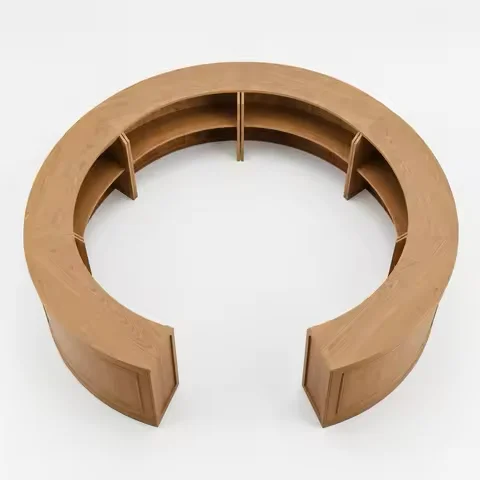
Mark the counter, working area, guest queue, and restocking route on the same plan. Then add cocktail tables where guests can gather after picking up drinks. Putting stools directly along a busy ordering counter can leave less room for service.
A longer bar or an extra service face does not, by itself, solve a slow line. Review the menu, equipment positions, and staffing with the bar operator before deciding how much counter to buy or rent.
Decide whether you need a back bar
A back bar can display bottles and glasses, give the setup some height, and keep selected items within reach. It also becomes a large part of the view behind the counter. If the venue has windows or a landscape you want to show, a lower or more open arrangement may work better.
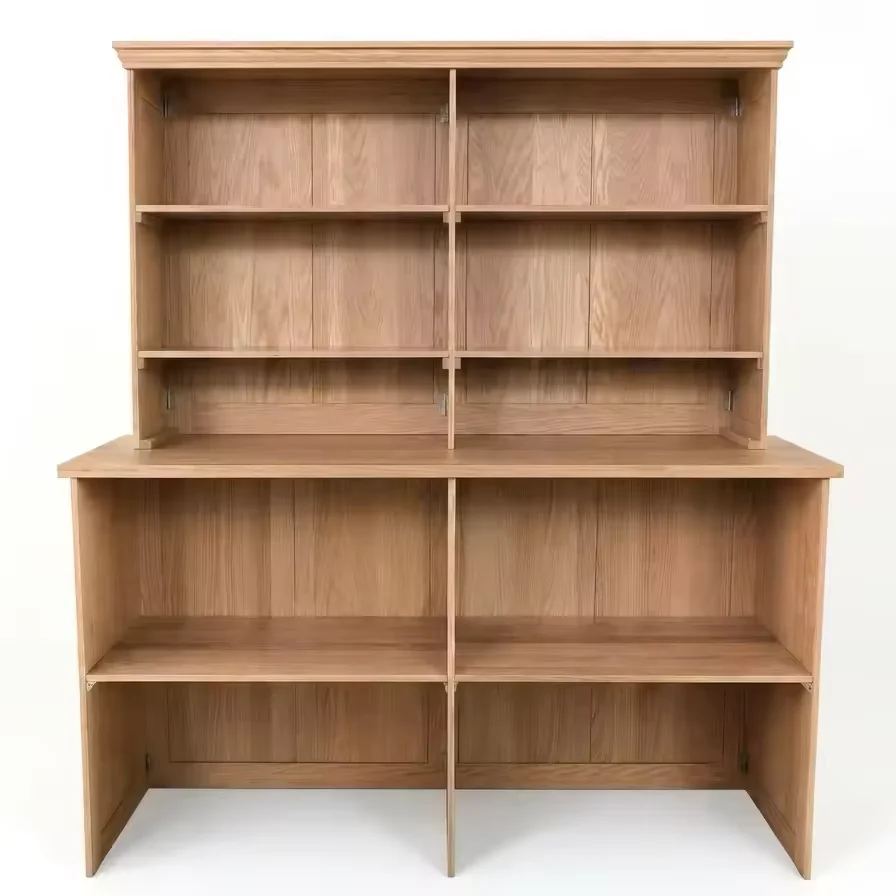
Check shelf dimensions, permitted loads, stability instructions, and how the unit is secured for its intended use. For the oak set above, the listed back cabinet is 180 × 55 × 195 cm—about 70.9 × 21.7 × 76.8 inches. Include that depth in the floor plan rather than pushing it against the counter and leaving staff to work out the gap.
Keep styling out of the work area. Flowers at the ends, a menu guests can read before they reach the counter, and lighting that makes the drinks and work surface visible are useful starting points. For more visual examples, Inside Weddings’ bar decorating ideas show how signage, lighting, and surrounding decor change a bar’s appearance.
Check what happens before and after the reception
For an outdoor wedding, confirm that the chosen model suits the exposure and stands on a stable, level surface. An outdoor event photo is not proof that wooden furniture can stay outside in rain or be stored outdoors. Get product-specific care and weather guidance, and agree on a covered alternative with the venue.
For rental inventory, ask to see the bar from the back and in its packed or folded state. Confirm the weight and dimensions of the pieces your crew will actually carry, the assembly steps, the hardware supplied, and how finished surfaces are protected in transit. A folding or knock-down design is useful only if it works with your crew, vehicle, and storage space.
Sunzo offers wooden, painted-panel, slatted, and modular wedding bar designs. Most bars ship knock-down, and sizes, colors, and front panels can be customized. Confirm the construction and assembly method for the selected design; folding, knock-down, and modular describe different features. Our furniture ordering FAQ covers the wider order and customization process.
Rent for one wedding, or buy for repeat use?
For one reception, compare local rental options before commissioning a bar. Delivery, setup, pickup, and somewhere to keep the furniture afterward are part of that decision.
If you run a venue or rental company, consider how often the same design will suit your bookings. A neutral finish can work across several themes, while removable signage and seasonal flowers provide variety. Compare the purchase price alongside freight, storage, handling, finish maintenance, and any replacement parts you may need. Ask whether additional sections can be ordered to the same approved specification later.
A short checklist before you approve the design
- Venue: Check the bar location, door access, floor surface, and rain plan.
- Appearance: Approve the panel pattern, countertop, wood or paint finish, and physical color reference.
- Layout: Confirm the assembled footprint, staff entry, working space, guest approach, and restocking route.
- Service: Review shelves, ice and glassware storage, equipment, and cleanup arrangements with the operator.
- Handling: Confirm component weights, packing dimensions, assembly instructions, and protective covers.
- Order: Get the selected specification, quantity, included components, delivery terms, and timing in writing.
Common questions about wooden wedding bars
Does the bar have to match the tables exactly?
No. Related undertones and compatible proportions usually matter more than an exact match. A white paneled bar with a natural wood top can work with wood farm tables. If you want a close match, approve samples together rather than comparing separate product photos.
Is a round wedding bar better than a straight one?
Neither is better for every reception. A straight bar is easier to fit along a room’s edge. A curved or near-circular arrangement can suit an open central space, but requires circulation around it and a clear staff entrance. Choose from the usable floor plan and service needs.
Can the same wooden bar work for different wedding styles?
Yes, if the underlying finish and panel design are versatile enough for your bookings. Change the menu, flowers, linen accents, and signage first. If replaceable front panels are important to your rental business, ask whether they can be supplied for the specific design before ordering.
Find a bar design that fits your venue
Send us a photo or sketch of the space, your preferred style, the approximate counter dimensions, order quantity, and destination. The Sunzo team can review bar designs and customization options with you, then confirm the selected specification in a quotation.
Prefer to send drawings by email? Use the details on our contact page.